
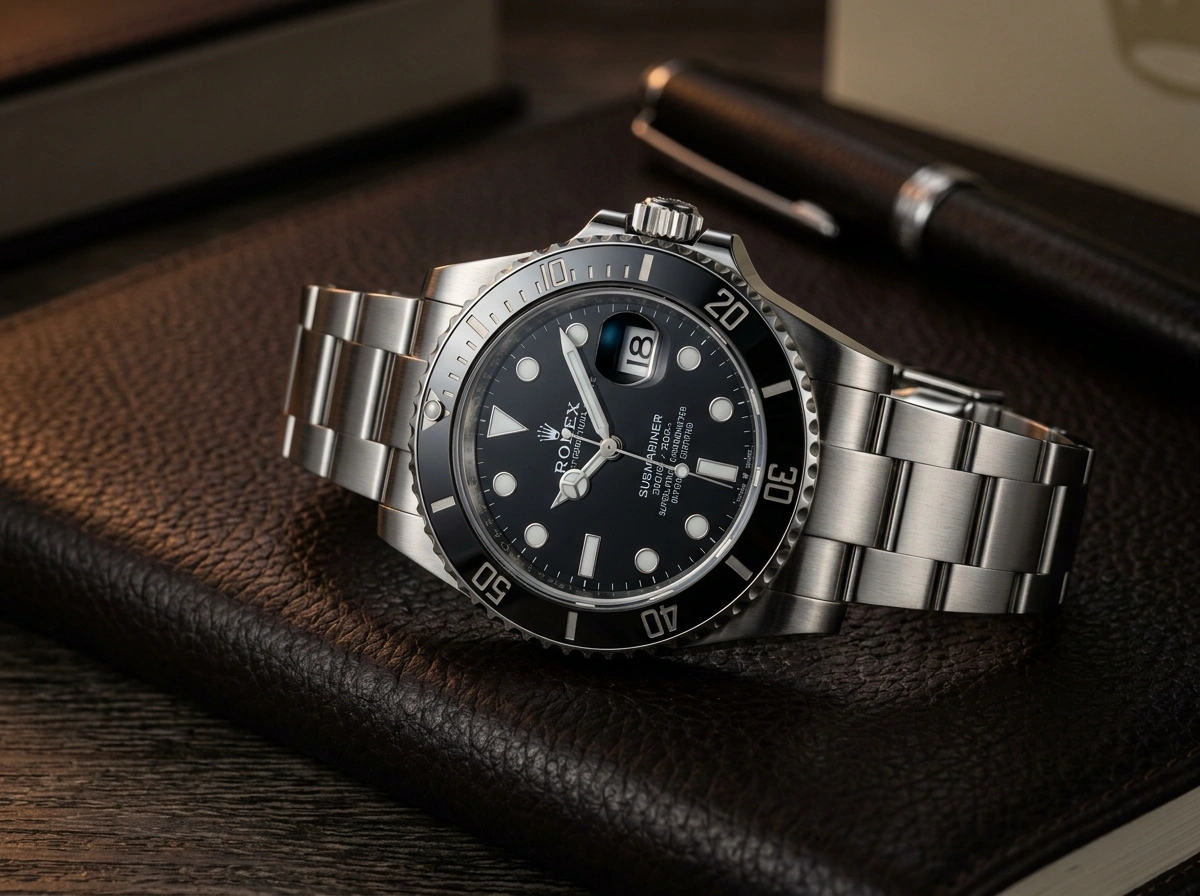
The market for replica timepieces splits into tiers, and at the top sit so-called “Swiss” replicas that command prices far above their cheaper counterparts. Some sell for hundreds, occasionally over a thousand dollars. That raises a fair question: when a replica costs this much, what exactly are you paying for—and is it worth it?
This article takes a measured look at the subject. We won’t tell you what to buy. Instead, we’ll help you understand what these watches actually offer, where the marketing exaggerates, and what risks come with the territory.
Here’s what you’ll learn:
- How premium replicas differ from budget ones
- What craftsmanship and materials claims really mean
- The legal, ethical, and financial trade-offs involved
- A practical way to weigh price against risk
What “Swiss Replica” Actually Means
The phrase gets used loosely. In sales listings, “Swiss replica” often signals a higher-grade copy than a standard fake. Sellers use it to imply better finishing, sturdier cases, and movements they describe as Swiss-made or Swiss-cloned.
In reality, the label is mostly a marketing term. There’s no official body certifying these products. A genuine Rolex carries Swiss certification, in-house movements, and decades of engineering. A replica borrows the design and the name’s prestige—nothing more. When you read about swiss replica rolex watches, keep that distinction front of mind: the word “Swiss” describes a claim, not a guarantee.
Perceived Quality Differences
Premium replicas do look closer to the real thing than cheap ones. That much is true. The improvements usually show up in three areas.
Case and finishing
Higher-end copies tend to get the proportions right. The lug shape, bezel knurling, and crown details often pass a quick glance. Polishing and brushing can also be cleaner than on budget versions.
Dial and printing
Text alignment, font weight, and color matching improve at the top tier. On cheaper fakes, you’ll spot blurry printing or off-center logos. Better replicas reduce these tells, though experts can still catch inconsistencies under magnification.
Weight and feel
A heavier case and a properly weighted bracelet contribute to the “feels real” impression that sellers lean on. This is often what buyers notice first when they handle an expensive replica.
Still, “closer” is not “equal.” Side by side with a genuine watch, differences in luminescence, machining tolerance, and surface depth usually surface.
Craftsmanship and Materials Claims
Sellers love words like “904L steel,” “sapphire crystal,” and “ceramic bezel.” Some premium replicas do use upgraded materials. Others simply claim to.
Here’s the problem: you often can’t verify these claims before purchase, and sometimes not even after. A listing might promise sapphire crystal but ship with mineral glass. It might advertise solid steel but use a cheaper alloy that discolors over time.
Even when the materials are decent, the engineering behind them isn’t. Rolex spends heavily on metallurgy, water resistance testing, and tolerances measured in microns. A replica factory copies the look, not the process. So a “ceramic bezel” might resist scratches reasonably well—or it might chip within months.
Common mistake: Assuming the spec sheet equals the experience. Treat every material claim as unverified until proven otherwise.
Movement Considerations
The movement is the heart of any watch, and it’s where the gap widens most.
Most replicas use modified Asian movements, often clones of established calibers. Premium versions may install higher-grade clones with smoother sweep and better reliability. A few sellers claim genuine Swiss movements, but these are rare and frequently misrepresented.
What this means in practice:
- Accuracy varies widely and rarely matches a certified chronometer.
- Servicing is difficult. Few watchmakers will repair a replica, and parts can be hard to source.
- Longevity is unpredictable. Some run for years; others fail within months.
If a watch stops working and no one will fix it, the “higher price tag” buys you a short-lived object.
Legal and Ethical Concerns
This is the part many listings skip, and it deserves attention.
Replica watches that copy trademarked branding are counterfeit goods. Manufacturing, importing, and selling them is illegal in most countries. Buyers face fewer penalties than sellers, but the risks aren’t zero. Customs authorities routinely seize counterfeit shipments, meaning you can lose both the watch and your money with no recourse.
There’s also an ethical layer worth considering:
- Counterfeit production is often linked to unregulated labor and organized supply chains.
- Wearing a fake to imply ownership of a luxury item raises questions of personal honesty for some people.
- Brands invest in design and craftsmanship that counterfeits exploit without contributing.
None of this is meant to lecture. But an honest cost-benefit analysis has to include these factors, not just the watch’s appearance.
Resale Value and Long-Term Cost
A genuine Rolex often holds or increases its value. That’s a core reason people buy one. A replica has essentially no resale market beyond other replica buyers, and reselling counterfeit goods carries its own legal exposure.
So when you spend more on a premium replica, you’re spending money you won’t recover. Compare that to a genuine entry-level Swiss watch from a reputable brand, which—while still depreciating—remains a legitimate asset you can resell, service, and pass on.
The math matters. A $1,000 replica that fails in two years costs more per year of use than many authentic watches in the same price range.
How to Evaluate Price Versus Risk
If you’re weighing a purchase, work through this checklist before deciding:
- Define your real goal. Do you want the look, the engineering, or the ownership? Each points to a different choice.
- Total the true cost. Add purchase price, likely repair costs, and the chance of seizure or loss.
- Test the claims. Ask sellers for specifics on materials and movement. Vague answers are a warning sign.
- Consider the alternatives. A genuine microbrand or pre-owned Swiss watch may deliver real quality at a similar price.
- Acknowledge the legal reality. Decide whether you’re comfortable with the risks counterfeit goods carry.
If a replica still appeals after this exercise, at least you’ll be deciding with clear eyes rather than marketing hype.
Conclusion
Premium “Swiss” replicas do offer better finishing, heavier construction, and closer cosmetic accuracy than cheap fakes. That’s the honest case for the higher price. But the limits are just as real.
Key takeaways:
- The “Swiss” label is marketing, not certification.
- Material and movement claims are often unverifiable and frequently inflated.
- Replicas carry legal risk, near-zero resale value, and limited repair options.
- The total cost of ownership can exceed that of a legitimate watch.
Your next step is simple: before spending on any high-priced replica, price out a genuine alternative in the same range. You may find that authentic value—something you can service, resell, and trust—is closer than you expected.
