
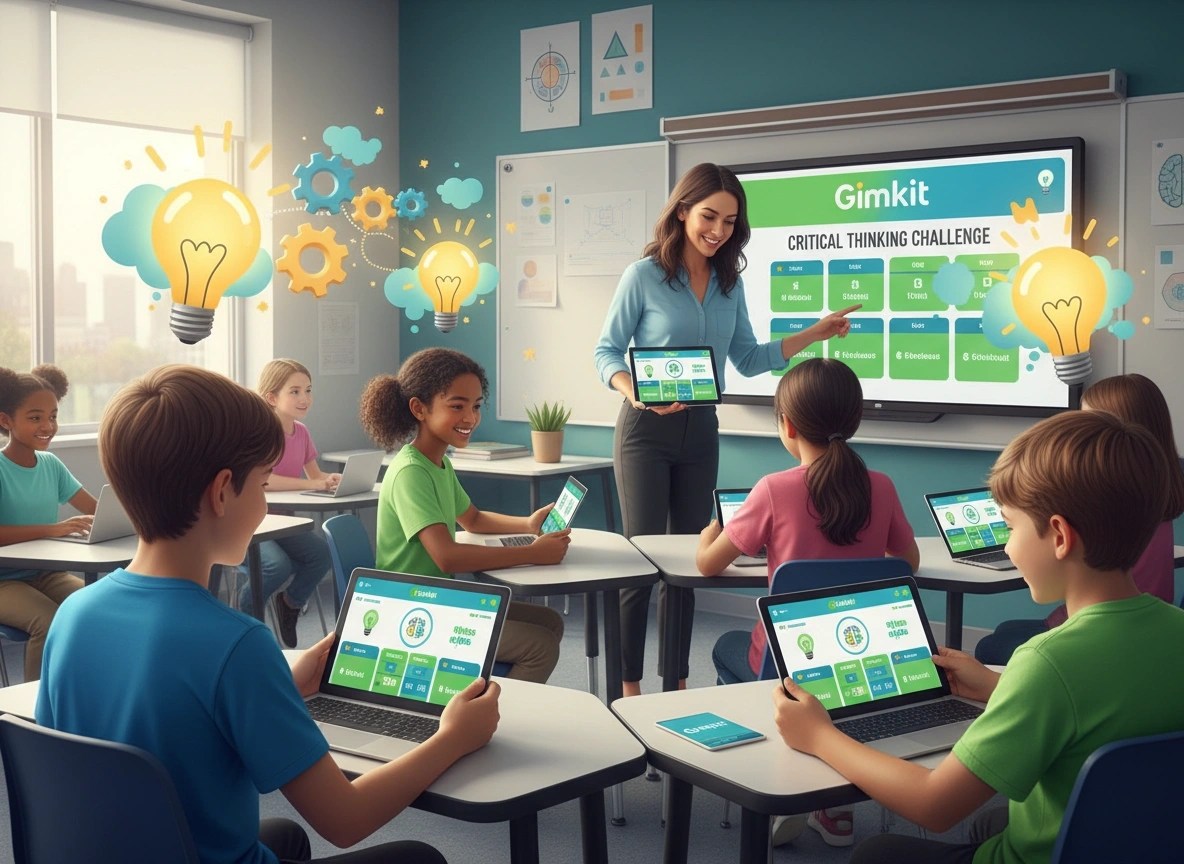
Education technology has moved far beyond the days of clunky desktop computers in a dedicated lab. Today, it represents a dynamic and ever-evolving ecosystem of digital tools designed to enhance learning, boost engagement, and prepare students for a digital-first world. As we look toward the future, the focus is shifting from simple digitization of content to creating truly interactive, personalized, and engaging educational experiences. In this landscape, platforms like Gimkit are not just participating; they are actively shaping what’s next for classrooms everywhere.
This article will explore the trajectory of education technology, examining the current trends that are defining its future. We will take a deep dive into how gamified learning tools, specifically Gimkit, are addressing the needs of modern educators and students. By understanding its unique features and impact, we can see a clearer picture of how it fits into the broader vision for the future of learning.
The Evolution of Education Technology
The journey of technology in education has been one of gradual integration and, more recently, rapid acceleration. What began with overhead projectors and educational television has blossomed into a complex digital infrastructure. The introduction of personal computers and the internet marked the first major shift, moving from a teacher-centric model to one where students could access information independently.
Following this, the rise of Learning Management Systems (LMS) like Blackboard and Moodle organized digital classrooms, but often served as little more than digital file cabinets. The real transformation began with the proliferation of mobile devices, cloud computing, and interactive software. This new wave of “EdTech 2.0” prioritized student interaction, collaboration, and engagement over passive content consumption.
Now, we are entering a new phase defined by several key trends. These trends are not just about technology for technology’s sake; they are about using digital tools to solve long-standing pedagogical challenges and create more effective learning environments.
Key Trends Shaping the Future of EdTech
Three dominant trends are steering the direction of educational technology: personalization, gamification, and data-driven instruction.
- Personalized Learning: The one-size-fits-all approach to education is becoming obsolete. Technology now allows educators to tailor learning paths, content, and assessments to individual student needs and paces. Adaptive learning platforms can adjust the difficulty of questions in real-time, ensuring students are challenged but not overwhelmed.
- Gamification: Applying game-design elements to non-game contexts has proven to be a powerful tool for motivation. Leaderboards, points, badges, and competitive challenges tap into students’ intrinsic desire for achievement and fun. This transforms review sessions and assessments from tedious chores into exciting events.
- Data-Driven Instruction: Modern EdTech tools provide teachers with instant, actionable data on student performance. Instead of waiting for a graded test, educators can see which concepts students are struggling with in real-time. This allows for immediate intervention and a more responsive teaching process.
Gimkit: A New Player in the Gamified Classroom
Amidst this evolving landscape, a tool created by a high school student, Josh Feinsilber, emerged and captured the attention of educators worldwide. Gimkit is a live learning game show platform that allows teachers to create or import question sets (“Kits”) for students to play. While it shares some DNA with other quiz platforms, its unique mechanics and student-centric design set it apart and position it perfectly within the future of EdTech.
At its core, Gimkit is built on a simple premise: students answer questions to earn in-game currency. This currency can then be used to purchase power-ups and upgrades, introducing a layer of strategy that goes beyond simply knowing the right answer. This “game within a game” model is what makes Gimkit a powerful example of effective gamification.
What Makes Gimkit Different?
Gimkit’s success is not accidental. It directly addresses the core trends of modern EdTech through a thoughtfully designed feature set. It combines the thrill of competition with strategic thinking, creating a deeply engaging learning experience.
Strategic Gameplay, Not Just Speed
Unlike many quiz games that reward only speed and accuracy, Gimkit introduces an economic layer. Students must decide how to spend their virtual money. Should they reinvest it to earn more per question? Save up for a multiplier? Or purchase a power-up that affects another player? This requires critical thinking and decision-making, skills that are valuable in any subject. This strategic depth ensures that even students who are not the fastest can develop a winning strategy, leveling the playing field and keeping everyone engaged.
A Variety of Engaging Game Modes
Gimkit has expanded far beyond its classic mode. It now offers a diverse library of game modes that cater to different learning objectives and classroom dynamics.
- Humans vs. Zombies: This collaborative mode pits the entire class against a growing “zombie” horde, fostering teamwork as students answer questions to survive.
- The Floor is Lava: In this mode, teams must answer questions correctly to build their tower higher and escape the rising lava, encouraging group collaboration and communication.
- Trust No One: Inspired by popular social deduction games, this mode adds a layer of intrigue where students must complete tasks by answering questions while trying to identify the “impostors” among them.
These varied modes prevent the platform from becoming repetitive and allow teachers to align the game with their specific lesson goals, whether it’s individual review, team building, or critical thinking.
Data for Immediate Feedback
While students are engrossed in the game, Gimkit is collecting valuable performance data for the teacher. At the end of each game, teachers can access a detailed report that breaks down student performance by question and by individual. This instant feedback loop is a cornerstone of data-driven instruction. An educator can quickly identify which concepts the class struggled with and address them immediately, rather than discovering the knowledge gap days later. This allows for agile teaching and targeted reteaching, making classroom time more efficient.
Gimkit’s Role in the Future Classroom
Gimkit is more than just a fun tool for Friday reviews; it exemplifies the direction in which EdTech is heading. It seamlessly blends content review with the development of 21st-century skills like strategic thinking, collaboration, and digital literacy.
Consider a high school history teacher preparing students for an exam on World War II. Instead of a traditional worksheet, the teacher launches a game of “Humans vs. Zombies.” Students must work together, correctly answering questions about key dates, figures, and events to hold back the zombie horde. The engagement is palpable. Students are not just recalling facts; they are applying their knowledge in a high-stakes, collaborative environment. The teacher, meanwhile, receives a post-game report showing that 70% of the class missed a question about the Yalta Conference, signaling a topic for a quick review the next day.
In another classroom, a middle school science teacher uses the “Trust No One” mode to review vocabulary for a unit on ecosystems. Students are not only motivated to answer correctly to complete their tasks but are also engaged in communication and deductive reasoning to find the impostors. Learning becomes a memorable social event, not a solitary task.
This alignment with modern pedagogical needs is where Gimkit’s true value lies. It supports a classroom that is:
- Engaged: It transforms learning from passive to active, capturing student interest in a way that lectures or worksheets often cannot.
- Student-Paced: While the game is live, the economic model allows students to make choices that fit their own pace and strategy.
- Collaborative: Many game modes are explicitly designed to encourage teamwork and communication.
- Data-Informed: It provides teachers with the tools they need to make instructional decisions based on real-time evidence.
The Path Forward for Gimkit and EdTech
The future potential for Gimkit is significant. As technology like AI and adaptive learning becomes more integrated into EdTech, we could see future versions of Gimkit that automatically adjust question difficulty based on a student’s performance within the game. Imagine a game where questions become more challenging as a student’s virtual bank account grows, ensuring they are always in their zone of proximal development.
Furthermore, the platform’s emphasis on creator-driven content—where educators can create and share their own Kits—builds a community of practice. This user-generated content model ensures that the platform remains relevant and grows organically, with a vast library covering virtually every subject and grade level.
Conclusion: Securing a Place in the Future of Learning
The trajectory of education technology is clear: toward more interactive, personalized, and data-rich experiences. The days of technology as a simple substitute for analog tools are over. The future belongs to platforms that fundamentally enhance the learning process itself, making it more effective, engaging, and enjoyable.
Gimkit has carved out a crucial niche in this future. By masterfully blending gamification, strategic thinking, and actionable data, it provides a solution that meets the needs of both students and educators. It transforms content review into a memorable event, fosters collaboration, and provides teachers with the insights they need to teach more effectively. As we continue to explore what the classroom of tomorrow will look like, tools like Gimkit are not just a part of the conversation—they are a model for where we are headed.
Please visit this website for more info.
